

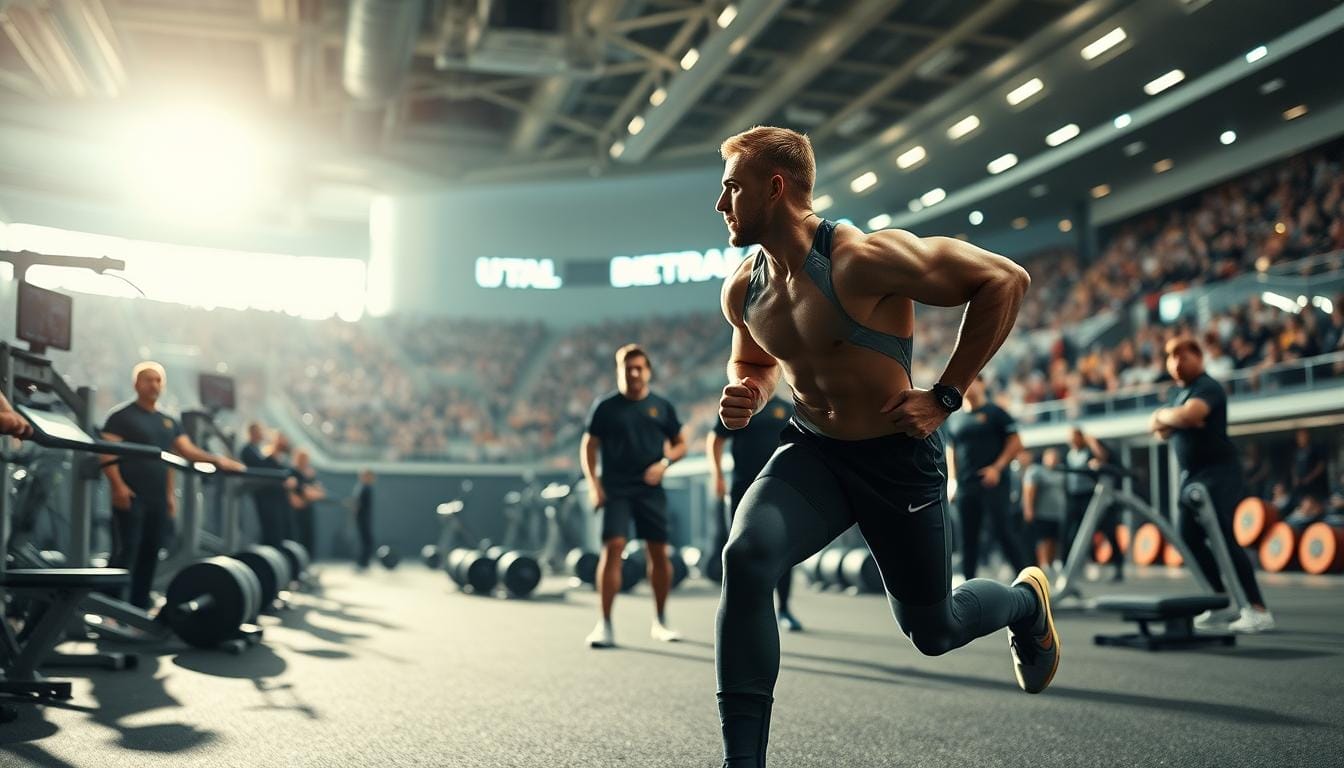
Surprising stat: teams that use clear data-driven routines cut injury days by over 20% in a single season.
I tested a curated roundup of systems across sports and real training settings. I focus on platforms that deliver measurable performance gains and clear value to coaches and athletes.
My process weighs depth of analysis, data quality, and the practical insights a product gives. I also balance that with budget and daily workflow needs.

I write from a U.S. sports performance lens, but the picks scale to many levels. Expect a mix of vision-based platforms, wearables, and predictive setups that help with readiness, recovery, and steady progression.
Key Takeaways
- I share options that minimize setup and maximize ROI for busy coaches and creators.
- Each category shows where a platform shines and where it struggles.
- Video-first, GPS, and biomechanics systems are all covered.
- I prioritize features that speed adoption: mobile capture, fast processing, and collaboration.
- Use these insights to shortlist faster and match solutions to your goals.
Why I’m Building a Product Roundup of today’s best sports performance analytics
I built this roundup to help coaches cut through hype and pick systems that actually move the needle. I want to show which solutions deliver accurate analysis, quick adoption, and measurable gains in day-to-day training.
My criteria: accuracy, ease of use, and real-world impact.
My criteria: accuracy, ease of use, and real-world impact

Accuracy comes first. I look for methods grounded in sports science and clear error bounds. If a system can’t show validation or reproducible results, it doesn’t make the list.
Ease of use matters next. Setup time, hardware load, and clean interfaces determine whether coaches and athletes keep using a system after the first month.
Real-world impact is the final test. I favor platforms that speed decisions — getting from video or sensor capture to a concrete recommendation in minutes.
How machine learning transforms raw data into actionable insights

Machine learning turns messy raw data into clear, data actionable insights by spotting patterns humans miss. That enables smarter recovery scheduling and targeted performance optimization.
“The best systems highlight what changed and next steps, not just charts.”
- I check continuity across offseason, in-season, and return-to-play phases.
- Reporting must answer: “what changed?” and “what to do next.”
- Portability, privacy, and total cost of ownership are non-negotiable.
To see how vision systems feed game-level analytics, I link to a practical write-up on using computer vision in sport: computer vision for game analytics.
ai tools for tracking player performance: the landscape right now
A hybrid approach—vision systems plus body sensors and predictive modeling—defines how teams get actionable insights today.
Computer vision, wearables, and predictive analytics work together to give coaches layered views. Video platforms like Hudl and Dartfish focus on coding and technique. Catapult and Wimu Pro bring GPS and inertial data to workload and tactical metrics. Zone7 adds modeling that flags risk and suggests personalized workloads.
Teams vs. individual athletes: choosing the right tech stack
Smaller academies may pick video-first platforms to keep costs low. Pro teams often combine Catapult or Zebra MotionWorks with markerless 3D from KinaTrax to capture both tactics and biomechanics.
From training to return-to-play: closing the loop with data
Integration matters. If your platform doesn’t sync sensor and video streams, you lose context. SkillCorner and STATS Perform show how broadcast and tagging can feed scouting and rehab planning.
| Use case | Good fit | Key benefit |
|---|---|---|
| Load & recovery | Catapult, Wimu Pro, Playermaker | Workload metrics tied to recovery plans |
| Technique & movement | KinaTrax, Dartfish, Hudl | 3D or overlayed video for skill edits |
| Scouting & tactics | SkillCorner, STATS Perform, Zebra | Broadcast or RFID-derived tactical insights |
I also link a practical piece on vision-led game analysis: analyzing gameplay with computer vision.
VueMotion: accessible computer vision for biomechanical analysis on any surface
VueMotion brings lab-grade vision into everyday sessions using only a phone and a tripod. I like that it lowers the bar for meaningful field data while keeping scientific rigor.
Smartphone-first testing captures 4K 60fps video with indoor and outdoor modes and lets one device control up to six iPhones. That multi-camera control speeds capture and gives coaches synchronized angles without bulky rigs.
The platform profiles acceleration, upright running, deceleration, change of direction, and jumping. These movement metrics feed validated biomechanical analysis that supports injury prevention and return-to-play decisions.
Built-in tools—drawing, annotation, voiceover, timers, and side-by-side comparison—make on-field review fast. Coaches generate objective data and clear performance insights to guide training and recovery.
No sensors or markers are required: grass, track, court, sand, or ice all work. Scaling from individual athletes to full squads needs only a smartphone, tripod, and five cones. Elite adoption (Geelong Football Club) signals real-world trust.
I recommend VueMotion when you want lab-like outputs in natural settings with low setup overhead. If you want a deeper look at how vision systems feed game-level analysis, see my write-up on game performance analysis.
Video-first AI platforms: Hudl, SkillCorner, Dartfish, and SportsVisio
Video-first platforms now turn sideline footage into clear coaching actions in minutes. I focus on systems that cut review time and surface actionable insights coaches can use right away.
Hudl Sportscode
Hudl Sportscode speeds up video coding with smart tagging, custom metrics, and player development tracking. It integrates with Hudl cameras and cloud sharing to help schools and academies keep staff aligned.
SkillCorner
SkillCorner uses broadcast video only—no wearables—to produce tactical and physical analytics like heatmaps and run patterns. That makes it an affordable scouting option for teams that need scalable insights.
Dartfish
Dartfish blends technique overlays, side-by-side comparison, and cloud sharing. Its multi-sport reach and sports science focus make it a go-to at Olympic centers and skill clinics.
SportsVisio
SportsVisio accepts footage from any device and returns box scores and highlight reels fast. Alerts tell you when clips and stats are ready, which helps content turnaround and game review.
- These platforms excel at repeatable video analysis and storytelling that motivates athletes and informs sessions.
- Coaches can analyze athlete technique frame-by-frame, then convert findings into targeted drills for training.
- Performance metrics like heatmaps and event tags link film to KPIs and scouting notes.
Wearables and GPS powerhouses: Catapult, Wimu Pro, Playermaker
Wearable ecosystems pair real-time position data with wellness scores to guide daily coaching.
Catapult combines GPS and inertial sensors with video sync to quantify external load and model injury risk. Its dashboards blend workload and recovery indicators so I can adjust training and reduce injury spikes during congested schedules.
Wimu Pro adds tactical team context to GPS and inertial feeds. I use its cloud dashboards to link conditioning plans to role demands and to monitor athlete wellness across matches and sessions.
Playermaker uses foot-mounted sensors to capture ball touches, kicking patterns, and biomechanics. It translates micro-skills into clear performance metrics that inform drill design and support injury prevention.
| Platform | Primary focus | Key feature |
|---|---|---|
| Catapult | Workload & recovery | GPS + inertial sensors, video integration, customizable dashboards |
| Wimu Pro | Tactical team metrics | Advanced GPS, wellness tracking, cloud reports used in elite soccer |
| Playermaker | Foot biomechanics | Foot-mounted sensors, ball touch analytics, mobile app load management |
- These platforms offer real-time feedback, session targets, and post-session reports to streamline athlete monitoring.
- Analytics tie workloads to athletic outcomes so you can progress intensity while managing fatigue risk.
- Video alignment with GPS events speeds film review and explains spikes in load or speed.
Predictive injury and biomechanics specialists: Zone7, Zebra MotionWorks, KinaTrax
Predictive models and high-fidelity motion systems now spot small red flags before they become sidelining issues. These platforms blend forecasting, live location feeds, and 3D capture to give staff actionable alerts and clear next steps.
Zone7: predictive injury risk and personalized workload recommendations
Zone7 operationalizes predictive injury modeling to quantify risk and auto-generate workload plans that accelerate recovery while protecting performance. It links wearables and GPS data to create personalized recovery protocols and has case studies showing reduced injury rates on elite teams.
Zebra MotionWorks: RFID precision for real-time speed and positioning
Zebra MotionWorks uses RFID technology to deliver live positioning, speed, and acceleration analysis. Its broadcast-grade feeds drive formation models and heatmaps used in the NFL and NCAA.
KinaTrax: markerless 3D motion capture for pitching and throwing
KinaTrax offers markerless motion capture with granular joint kinematics and real-time injury alerts. Teams in MLB use its 3D analysis to reshape throwing mechanics and support targeted injury prevention and recovery plans.
I recommend these systems when your goal is sustained availability and measured performance optimization. They work best when staff communicate probabilities clearly and let data guide small, daily interventions.

See a broader comparison in my top platforms comparison and read how vision-led analysis feeds coaching in my game performance analysis piece.
How I match tools to goals: sport, level, budget, and integration
I match technology to real coaching needs by starting with the goal, not the feature list. First I define what success looks like: availability, faster skill gains, or smarter recovery. Then I map constraints like staff time and budget.
Grassroots to pro: ease of use vs. depth of analysis
At lower levels, quick wins matter. I pick systems that deliver simple metrics and fast insights so coaches and athletes adopt new habits.
At the pro level, depth wins. Complex dashboards and custom pipelines are fine if staff can dedicate time to review and act.
- For individual athletes, I favor mobile-first capture, minimal hardware, and clear next steps.
- In athletes teams settings, assign roles for capture, tagging, and review to keep cadence.
- Choose a platform with templates and auto-reports to standardize performance reviews and training cycles.
Data portability, API access, and recovery signals (sleep, soreness, HRV) should live beside workload. I shortlist solutions by mapping goals → constraints → staff time, pilot them, then scale. Use what you can maintain; adoption beats sophistication every time.
Connect with me everywhere I game, stream, and share the grind
Want behind-the-scenes testing, live demos, and quick hits on training and recovery? Follow my channels to see real captures, in-session breakdowns, and candid chats about how platforms and video workflows shape athlete prep.
- Twitch: twitch.tv/phatryda — live demos, Q&A, and workflow walkthroughs.
- YouTube: Phatryda Gaming — long-form comparisons, capture setups, and guided sessions.
- TikTok: @xxphatrydaxx — fast tips, short clips, and quick feature teardowns.
- Xbox / PlayStation / Facebook: Xx Phatryda xX | phatryda | Phatryda — gaming hangs and sport chats.
- Tip the grind: streamelements.com/phatryda/tip — if guides or templates helped your training or recovery.
- TrueAchievements: Xx Phatryda xX — community milestones and leaderboards.
I share sports tech breakdowns, creator workflows, and behind-the-scenes testing across these platforms. Twitch and YouTube are where I demo features, compare solutions live, and answer questions.
TikTok and Facebook deliver short-form summaries for busy athletes and coaches who want quick, actionable ideas. If you want gaming-side hangs alongside sport talk, join me on Xbox and PlayStation.
Support the channel if the guides, templates, and weekly themes make your sessions easier. I post capture setups, programming tweaks, and recovery routines that complement practical training.
Conclusion
The future of player performance is already here. The future sports landscape blends wearables, predictive analytics, and machine learning into everyday workflows that help prevent injuries and speed recovery.
I recommend connecting training, testing, and recovery so staff can act on clear performance insights. Injury prevention is a process: align load, technique, and readiness to lower risk and prevent injuries.
Pick video analysis and motion capture solutions that your team will actually use each week. Start with one platform, build a routine, and iterate as analytics maturity grows.
If you want a deeper look at how these systems reshape training and recovery, see this practical write-up: training and recovery.
FAQ
What criteria did I use to pick my favorite AI tools for tracking player performance?
I evaluated accuracy, ease of use, and real-world impact. That means I tested how well systems measure movement metrics, how quickly coaches and athletes can adopt them, and whether the insights actually change training, reduce injury risk, or improve outcomes.
How does computer vision work alongside wearables and predictive analytics?
Computer vision extracts motion and positional data from video, wearables supply physiological and load metrics, and predictive models fuse both to forecast risk and recommend workload adjustments. Together they create a fuller picture than any single source alone.
When should a team choose broadcast-video solutions like SkillCorner over wearables like Catapult?
Choose broadcast-video when you need non-invasive, scalable passives—for scouting or league-wide metrics. Choose wearables when precise internal load, heart rate, and biomechanical detail matter for daily training and injury prevention.
Can smartphone-only systems like VueMotion provide reliable biomechanical analysis?
Yes. Modern smartphone capture at 4K 60fps plus markerless algorithms can deliver meaningful deceleration, COD, and movement profiles when set up correctly. They’re ideal for grassroots programs and travel teams that can’t afford lab hardware.
How do platforms like Hudl and Dartfish help coaches without overwhelming them with data?
They focus on coach-friendly workflows: automatic tagging, clear video overlays, and exportable reports. Good platforms prioritize actionable metrics and drill-ready cues rather than raw streams of numbers.
What types of injuries can predictive systems like Zone7 help prevent?
Predictive systems flag elevated risk for overuse injuries and acute soft-tissue problems by identifying workload spikes, fatigue patterns, and atypical movement signatures. They don’t eliminate risk, but they let staff adjust plans proactively.
Are RFID and markerless 3D systems like Zebra MotionWorks and KinaTrax suitable for elite competition?
Absolutely. RFID gives razor-precise positioning for tactical analysis in stadiums, while markerless 3D capture provides lab-grade kinematics without intrusive markers—both meet elite needs for speed and accuracy.
How do I match a tech stack to a sport, level, and budget?
Start with goals: injury prevention, skill refinement, or tactical insight. For grassroots, prioritize smartphone video and simple metrics. For semi-pro, add wearables. For pro, integrate multi-source systems with predictive analytics and athlete-management platforms.
What should coaches watch for when scaling from an individual athlete to a full team setup?
Focus on data flow and integration. Ensure devices sync reliably, that dashboards support group views, and that staff can act on insights without added administrative burden. Scalability and support matter more than feature count.
How do I evaluate a platform’s return on investment?
Measure changes in missed-practice days, rehabs shortened, performance gains, and time saved in analysis. Qualitative feedback from coaches and athletes also signals whether a system delivers practical value.

Comments are closed.